SEO for Health and Wellness Brands: A Practical Guide

Health and wellness brands exist in a space where attention is fragmented and competition is constant. New products appear daily, trends evolve quickly, and consumer expectations continue to rise. Despite all of this movement, one behavior remains consistent: people search before they act. Whether someone is trying to improve their fitness, build a healthier routine, or invest in equipment that supports their goals, search engines are part of that journey. This is where SEO becomes critical, not as a technical add-on, but as a foundational growth channel.
What makes SEO particularly valuable in this industry is the way it aligns with user intent. Wellness is rarely impulsive. People do not wake up and immediately purchase a treadmill or commit to a fitness routine without first exploring their options. They research, compare, evaluate, and revisit decisions. SEO allows your brand to be present throughout that process. It gives you the opportunity to introduce your brand early, reinforce your value mid-journey, and capture conversions when the user is ready to act.
Many brands misunderstand this and treat SEO as a traffic tool rather than a strategic system. They focus on rankings without considering what happens after the click. As a result, they may attract visitors but fail to convert them. A strong SEO approach goes beyond visibility. It ensures that the right users are arriving on the right pages at the right time, with a clear path toward action. This is especially important in wellness, where trust and clarity play a major role in decision-making.
The structure of your website, the quality of your content, and the relevance of your messaging all influence how users interact with your brand. If any of these elements are misaligned, performance suffers. A visually appealing website that lacks SEO will struggle to gain traffic. A highly optimized page with poor design will struggle to retain users. Success comes from alignment, where design, content, and SEO work together as a unified system rather than separate efforts.
This guide focuses on that alignment. It breaks down how wellness brands can build an SEO strategy that supports real growth, not just visibility. It covers how users search, what content they expect, how websites should be structured, and how brands can turn search traffic into measurable results. The goal is not just to help you rank, but to help you compete effectively in a space where attention, trust, and experience all matter.

Why SEO Matters for Wellness and Fitness Brands
SEO plays a different role in the wellness industry compared to many other markets. In more transactional industries, users often search with immediate purchase intent. In wellness, intent develops over time. A user may begin with a simple question about improving their health, then gradually move toward specific products or services that support that goal. This extended journey creates multiple opportunities for brands to engage, but only if they are visible at each stage.
Visibility alone, however, is not enough. The wellness space is built on trust. People are making decisions that affect their health, routines, and long-term habits. If your brand appears in search results but fails to provide useful, credible, and relevant information, users will move on quickly. SEO must therefore be paired with content that educates and builds confidence. This is what allows a brand to move from being just another option to being a preferred choice.
Another reason SEO matters in this space is the level of competition. Wellness is a broad and saturated category that includes fitness equipment, nutrition, lifestyle coaching, and more. Competing purely on paid ads can become expensive and unsustainable over time. SEO provides a more stable channel for acquiring traffic, allowing brands to reduce reliance on paid campaigns while still maintaining visibility. Over time, this creates a compounding effect where content continues to attract users long after it has been published.
The long-term nature of SEO also aligns well with how wellness brands grow. Building a reputation in this space takes time. Users need to see consistency in messaging, quality, and value. SEO supports this by encouraging brands to create content regularly, refine their messaging, and improve their website experience. Each piece of content becomes part of a larger system that contributes to overall authority and visibility.
Ultimately, SEO matters because it allows wellness brands to participate in the moments that shape customer decisions. It connects your brand to real needs, real questions, and real intent. When executed properly, it does not just increase traffic. It builds relationships, strengthens positioning, and creates a foundation for sustainable growth.
How People Search for Wellness Products and Services

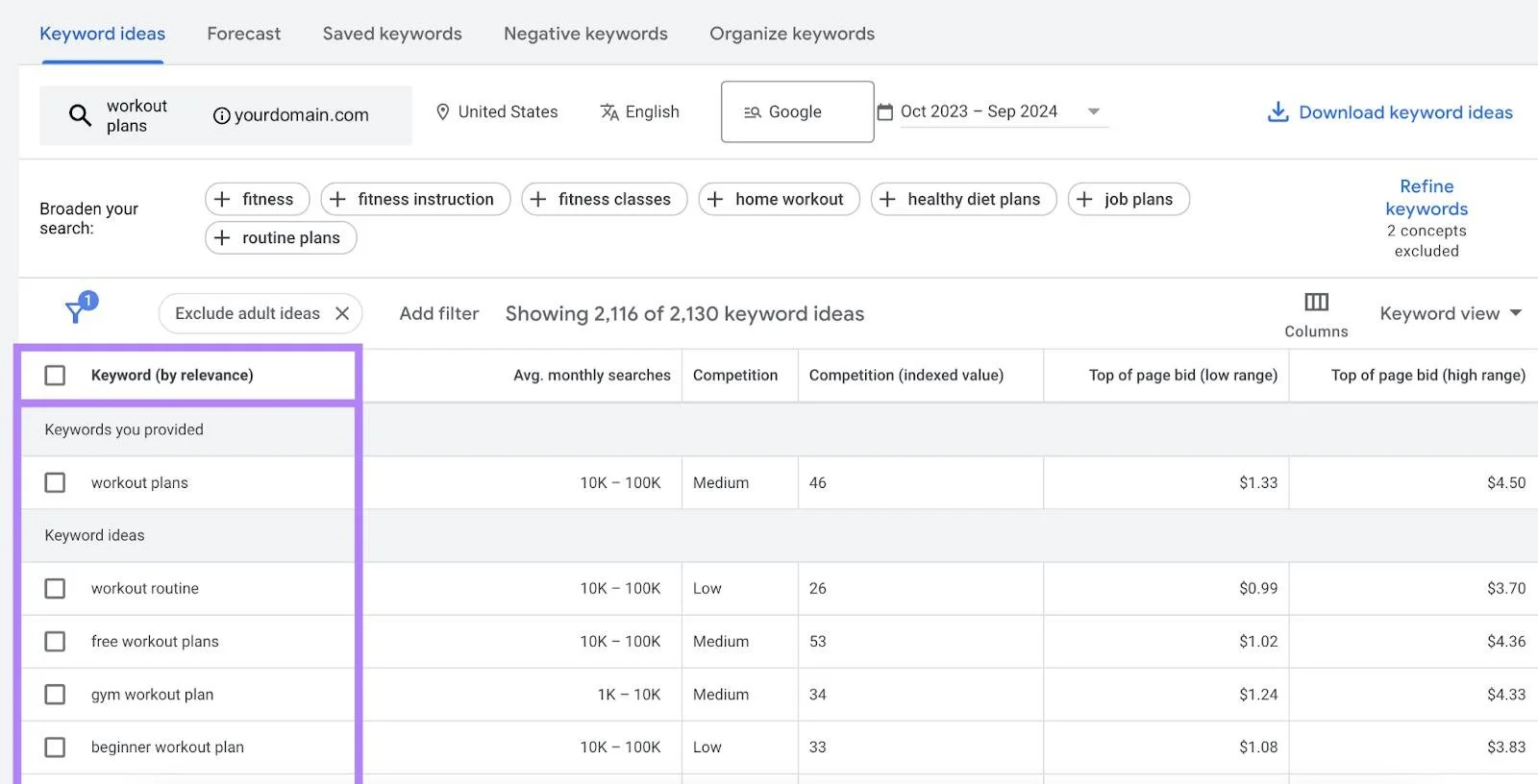
Search behavior in the wellness industry is driven by goals rather than products. Users are not initially concerned with brands or specifications. They are focused on outcomes such as losing weight, building strength, improving endurance, or maintaining a healthier lifestyle. This goal-oriented mindset shapes the way they search, the content they engage with, and the decisions they eventually make. Understanding this behavior is essential for building an effective SEO strategy.
The first stage of this behavior is awareness. At this point, users are identifying a problem or desire. They search for general information, often phrased as questions or broad topics. They are not ready to buy, and they are not looking for specific brands. Content that addresses these early-stage queries plays a critical role in capturing attention and introducing your brand. If your website does not provide this type of content, you are missing the opportunity to engage users at the beginning of their journey.
As users move into the exploration stage, their searches become more specific. They begin to compare options, evaluate different approaches, and look for guidance that helps them make decisions. This is where detailed guides, comparisons, and educational content become valuable. Users are still not fully committed, but they are narrowing their choices. Brands that provide clear, structured, and helpful information during this stage are more likely to build trust and influence the final decision.
The decision stage is where intent becomes transactional. Users search for specific products, pricing, or locations. They are ready to act, but they still need reassurance. Product pages, reviews, and clear calls to action are critical here. If the user experience is poor or the information is incomplete, they may abandon the process even at this late stage. SEO must therefore ensure that these pages are not only visible but also optimized for conversion.
What makes wellness search behavior unique is that users often move back and forth between these stages. A user may start exploring products, return to informational content, and then revisit product pages again. This nonlinear journey requires a flexible and interconnected SEO strategy. Your content and pages must support multiple entry points and allow users to navigate easily between different types of information.
Core SEO Strategies for Wellness Businesses
Keyword Research for Fitness and Lifestyle Intent
An effective SEO strategy for wellness brands is built on a combination of keyword research, content development, technical optimization, and user experience. These elements are not independent. They influence each other and must be developed together to create a cohesive system. Focusing on one while neglecting the others leads to uneven performance and missed opportunities.
Keyword research is the starting point, but it must be approached differently in this space. Instead of targeting broad, high-volume terms, wellness brands benefit from focusing on specific, intent-driven queries. These queries often have lower search volume but higher relevance and conversion potential. By aligning keywords with user goals, brands can attract traffic that is more likely to engage and convert.
Content development builds on this foundation by addressing the needs behind those keywords. Each piece of content should serve a clear purpose, whether it is educating users, guiding decisions, or supporting conversions. Content should not exist in isolation. It should be connected through internal linking, creating a network of pages that support each other and guide users through their journey.
Technical SEO ensures that all of this work can be effectively discovered and accessed. A fast, mobile-friendly, and well-structured website improves both search visibility and user experience. Technical issues such as slow loading times, broken links, or poor indexing can undermine even the strongest content strategy. Regular audits and ongoing optimization are necessary to maintain performance.
User experience ties everything together. A website that is difficult to navigate or visually overwhelming will struggle to retain users, regardless of how well it ranks. Design should support clarity, ease of use, and progression toward action. In the wellness space, where users are often seeking guidance and reassurance, a clean and intuitive experience can significantly impact engagement and conversions.
Content That Builds Interest and Trust
Content is one of the most powerful tools available to wellness brands, but it is also one of the most commonly misused. Many brands produce content without a clear strategy, resulting in posts that attract little traffic and provide minimal value. A strong content strategy focuses on relevance, depth, and connection to business goals.
The first component of this strategy is relevance. Content must address real questions and needs that users have. This requires understanding your audience and the problems they are trying to solve. Generic content that lacks specificity will struggle to stand out in a competitive space. By focusing on targeted topics, brands can create content that resonates more deeply with their audience.
Depth is equally important. Superficial content may attract clicks, but it rarely builds trust or encourages further engagement. In-depth guides, detailed explanations, and practical advice provide more value and are more likely to be shared, referenced, and revisited. This type of content also performs better in search results, as it aligns with the increasing emphasis on quality and comprehensiveness.
Connection to business goals ensures that content contributes to growth rather than existing as an isolated effort. Each piece of content should have a role within the broader strategy, whether it is driving traffic to product pages, supporting conversions, or building brand authority. Internal linking plays a key role here, connecting informational content to commercial pages and guiding users toward action.
Consistency is another critical factor. Content should be produced and updated regularly to maintain relevance and authority. This does not mean publishing frequently without purpose. It means maintaining a steady flow of high-quality content that supports your overall strategy. Over time, this creates a compounding effect where each piece contributes to a stronger and more visible presence.
Finally, content should be designed with user experience in mind. Clear structure, readable formatting, and engaging visuals all contribute to how users interact with your content. In the wellness space, where users often seek guidance and reassurance, well-presented content can significantly enhance credibility and trust.
Common SEO Challenges in the Wellness Space

Wellness brands face a unique set of SEO challenges that go beyond the usual technical issues. The industry itself is broad, covering everything from fitness equipment and coaching to lifestyle content and wellness products. This creates a highly competitive environment where multiple types of businesses are targeting overlapping keywords. As a result, it becomes difficult to stand out without a clear strategy that defines both your niche and your positioning.
One of the most common challenges is misaligned intent. Many brands target high-volume keywords that appear attractive on the surface but do not match what their audience is actually looking for. This leads to traffic that does not convert, as users land on pages that fail to meet their expectations. In wellness, where users are often seeking specific outcomes or guidance, aligning content with intent is critical for both engagement and conversion.
Another issue is the imbalance between design and performance. Wellness brands often prioritize aesthetics, investing heavily in visual elements that create an appealing experience. While this can improve first impressions, it can also lead to slower load times, cluttered layouts, and poor mobile performance. These issues negatively impact both user experience and search rankings, creating a situation where the website looks good but fails to perform effectively.
Content quality is another major challenge. Many brands produce content that is either too generic or too shallow to provide real value. In a space where users are actively seeking guidance, surface-level content fails to build trust or differentiate the brand. Effective SEO requires content that is both relevant and comprehensive, addressing user needs in a way that competitors do not.
Finally, there is often a lack of structure and consistency. SEO is treated as a one-time effort rather than an ongoing system. Pages are created without a clear hierarchy, internal linking is neglected, and content is not updated regularly. Over time, this leads to a fragmented website that struggles to maintain visibility and authority. Addressing these challenges requires a shift in mindset, from isolated efforts to a cohesive and long-term strategy.

How to Measure SEO Performance
Measuring SEO performance is essential for understanding whether your strategy is actually working. However, many brands focus on the wrong metrics, placing too much emphasis on vanity indicators such as total traffic without considering the quality of that traffic. In the wellness space, where intent and engagement matter more than raw numbers, it is important to track metrics that reflect real business impact.
Organic traffic is often the starting point. It shows whether your website is attracting visitors through search engines and can indicate overall visibility. However, traffic alone does not provide a complete picture. A steady increase in traffic may seem positive, but if those visitors are not engaging with your content or taking action, the value of that traffic is limited. This is why it is important to look beyond volume and consider user behavior.
Engagement metrics such as time on page, bounce rate, and pages per session provide insight into how users interact with your website. These metrics help you understand whether your content is meeting user expectations and whether your site structure supports navigation. In wellness, where users often explore multiple pages before making a decision, strong engagement is a key indicator of effective SEO.
Keyword rankings are another important metric, but they should be interpreted carefully. Rankings show where your pages appear in search results for specific queries, but they do not guarantee traffic or conversions. A high ranking for a low-intent keyword may not deliver meaningful results. Instead, focus on rankings for keywords that align with your audience’s goals and have a clear connection to your business.
Conversions ultimately determine the success of your SEO efforts. This includes actions such as purchases, inquiries, sign-ups, or any other meaningful interaction. Tracking conversions allows you to connect SEO performance to business outcomes, ensuring that your strategy is not just driving visibility but also contributing to growth. By combining these metrics, you can develop a more accurate and actionable understanding of your SEO performance.
Building Long-Term Growth with SEO
SEO is often misunderstood as a short-term tactic, but its true value lies in long-term growth. Unlike paid advertising, which delivers immediate results but stops when the budget runs out, SEO builds momentum over time. Each piece of content, each optimization, and each improvement contributes to a larger system that becomes more effective as it develops.
One of the key aspects of long-term SEO growth is consistency. Publishing high-quality content on a regular basis helps establish authority and keeps your website relevant in search results. This does not mean producing content for the sake of volume. It means creating content that aligns with your strategy and addresses real user needs. Over time, this consistent effort leads to a stronger and more visible presence.
Another important factor is continuous optimization. SEO is not static. Search behavior changes, competitors evolve, and algorithms are updated. Regularly reviewing and updating your content ensures that it remains accurate, relevant, and competitive. This includes refining keywords, improving structure, and enhancing user experience based on performance data.
Building authority is also a long-term process. Search engines evaluate not only individual pages but also the overall credibility of your website. This is influenced by factors such as content quality, internal linking, and external signals. By consistently producing valuable content and maintaining a well-structured website, you can strengthen your authority and improve your ability to rank for competitive keywords.
Finally, long-term SEO growth requires patience and realistic expectations. Results do not appear overnight, and progress may be gradual. However, the compounding effect of sustained effort can lead to significant and lasting results. Brands that commit to SEO as a long-term strategy are better positioned to achieve stable growth and reduce their reliance on short-term tactics.
How Bend Helps Wellness Brands Grow
SEO and website performance can be difficult to manage internally, especially for wellness brands that are focused on product development, customer experience, and day-to-day operations. While the principles of SEO are straightforward, execution requires consistency, expertise, and a clear understanding of how different elements work together. This is where a structured approach becomes valuable.
You can explore who we are and how we work with brands looking to scale sustainably.
Bend approaches SEO as a connected system rather than a set of isolated tasks. Instead of focusing on rankings alone, the focus is on aligning strategy, content, and user experience to support overall business goals. This means identifying the right opportunities, developing content that addresses real user needs, and optimizing websites to guide users toward meaningful actions.
A key part of this approach is understanding the unique dynamics of the wellness industry. Users in this space are not simply looking for products. They are looking for solutions that fit into their lifestyle. By focusing on this behavior, Bend helps brands create strategies that resonate with their audience and support long-term engagement.
Execution is another critical component. Strategy without implementation does not produce results. Bend works to ensure that recommendations are translated into actionable steps, from content creation and technical optimization to ongoing performance analysis. This allows brands to move beyond planning and achieve measurable outcomes.
Ultimately, the goal is to build a system that supports growth over time. By combining SEO, content, and user experience, Bend helps wellness brands create websites that not only attract traffic but also convert that traffic into real results. This integrated approach provides a more sustainable path to growth compared to fragmented or short-term strategies.
You can explore who we are and how we work with brands looking to scale sustainably.
Final Thoughts
SEO for health and wellness brands is not a single tactic or a one-time project. It is a comprehensive system that connects visibility, content, and user experience into a cohesive strategy. When these elements are aligned, they create a foundation that supports both immediate performance and long-term growth.
The wellness industry is driven by intent, trust, and experience. Users are not simply looking for products. They are looking for guidance, solutions, and outcomes that improve their lives. SEO allows your brand to be present in those moments, but it is the quality of your content and the effectiveness of your website that determine whether that presence leads to action.
Many brands focus on isolated improvements, such as adding keywords or redesigning pages, without addressing the underlying structure of their strategy. While these efforts may produce short-term gains, they are unlikely to deliver sustained results. Real growth comes from a consistent and integrated approach that considers how all elements work together.
As the industry continues to evolve, the importance of this approach will only increase. Competition will grow, user expectations will rise, and the standards for quality and relevance will become more demanding. Brands that invest in a structured SEO strategy will be better equipped to adapt to these changes and maintain their position in the market.
In the end, SEO is not just about ranking higher. It is about connecting with your audience in a meaningful way and guiding them toward decisions that benefit both them and your business. When done correctly, it becomes a powerful tool for building visibility, trust, and long-term success
If your brand can do that consistently, growth follows.
If your website isn’t bringing in the traffic or conversions you expected, it’s probably not a traffic problem. It’s a strategy problem.
Work with a team that understands how SEO, content, and user experience come together to drive real results.